Understanding Patient Satisfaction
Patient satisfaction is crucial for healthcare providers, impacting everything from repeat visits to word-of-mouth referrals. A study by the American Medical Association found that 70% of patients would switch providers for better service. In a competitive market, enhancing the patient experience is not just beneficial; it’s essential.
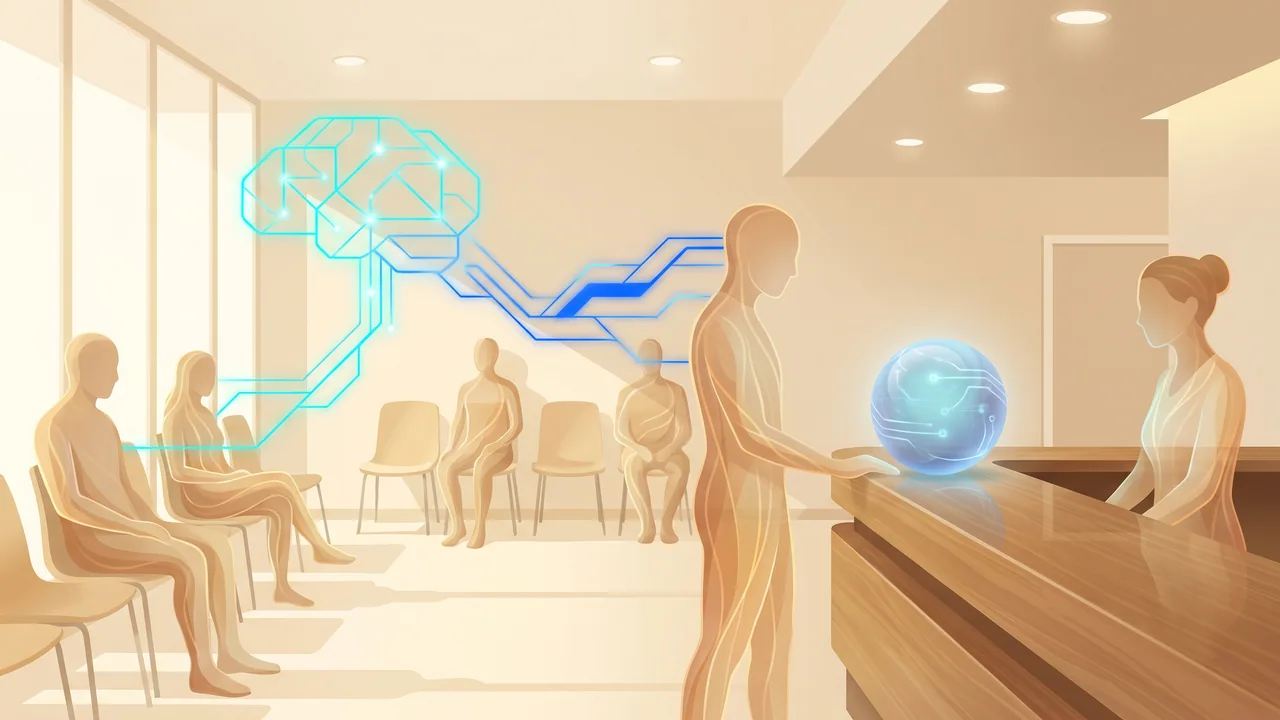
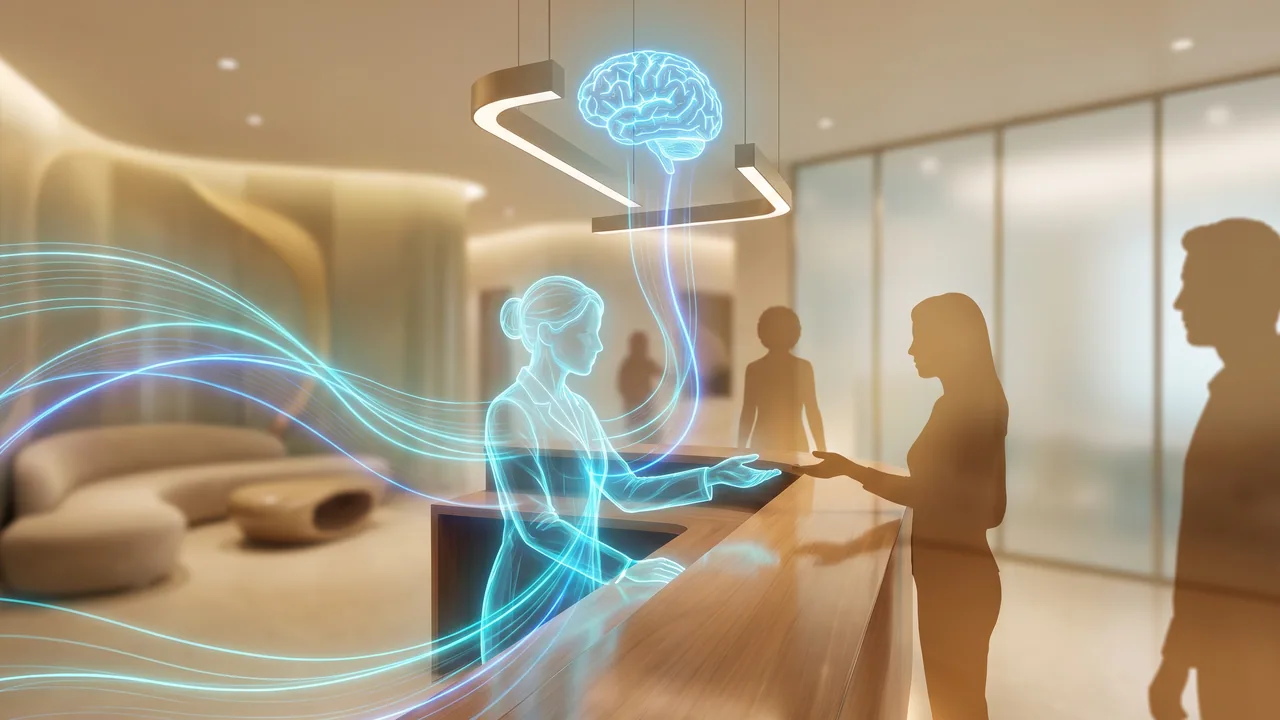
One way to improve this experience is through the integration of AI-driven receptionist solutions. These systems streamline communication, reduce wait times, and ensure that patients feel valued and heard.
Streamlined Appointment Management
AI receptionists can automate appointment scheduling, a common pain point for both patients and staff. Traditional methods often lead to double bookings or missed calls. An AI system can manage bookings 24/7, reducing scheduling errors by up to 80%.
For instance, a dental clinic that implemented an AI receptionist reported a 30% decrease in missed appointments within the first three months. This not only maximises the clinic's efficiency but also enhances patient satisfaction by respecting their time.
Instant Communication and Support
Patients often have questions before and after appointments. An AI receptionist can provide instant responses to common inquiries, such as office hours, payment options, or services offered. This responsiveness is crucial; according to a survey by PatientPop, 60% of patients prefer practices that offer immediate answers to their questions.
By using an AI system, a medical clinic can reduce the time staff spend answering calls by up to 50%. This means that staff can focus on patient care, while the AI handles routine inquiries, leading to improved overall satisfaction.
Personalisation through Data
AI receptionists can also personalise interactions based on patient history and preferences. For example, if a patient regularly schedules teeth cleanings, the AI can proactively remind them when it’s time to book their next appointment. This level of personal touch can significantly enhance the patient experience.
Additionally, personalised communication can lead to higher retention rates. A healthcare provider that has implemented personalisation saw a 25% increase in patient loyalty, demonstrating that tailored interactions can foster long-term relationships.
Cost Efficiency and Resource Management
Integrating an AI receptionist can also lead to significant cost savings. By automating repetitive tasks, practices can reduce administrative costs by up to 30%. This allows businesses to allocate resources more efficiently, focusing on improving patient care rather than administrative burdens.
For instance, a salon that adopted an AI receptionist reported saving $1,500 monthly in staffing costs. These savings can be reinvested into enhancing the patient experience through better services or amenities.
Conclusion
AI-driven receptionist solutions offer a multitude of advantages for healthcare businesses, from streamlining appointment management to personalising patient interactions. By improving efficiency and enhancing patient satisfaction, these technologies can lead to higher retention rates and greater profitability.
For businesses looking to distinguish themselves in a competitive landscape, implementing an AI receptionist is a strategic move. Get started today and see how it can transform your practice.
Want to see this in action?
Add an AI Receptionist to your business in 5 minutes. The first 500 sites get 3 months free.